Why Books and Literature Still Matter in a Fast-Changing World
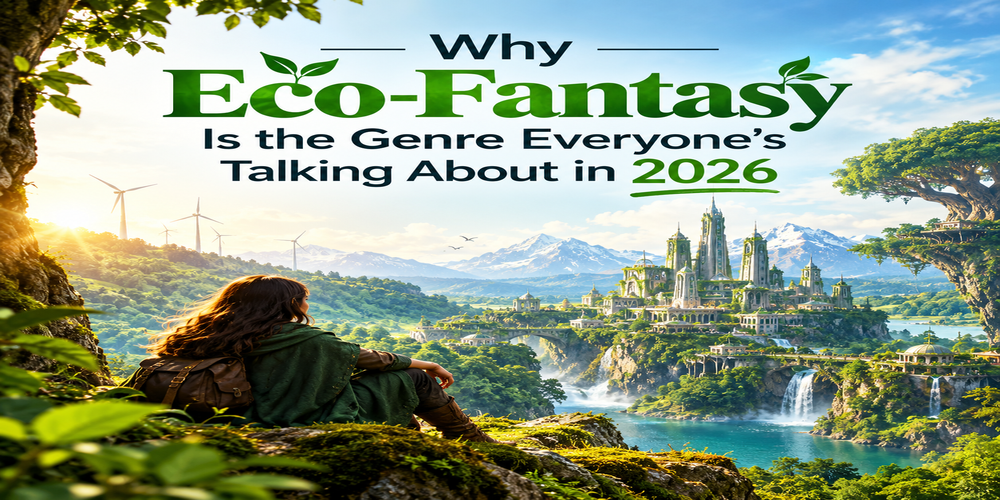
Why Eco-Fantasy Is the Genre Everyone’s Talking About in 2026
Finding Inspiration Through Everyday
If you’ve scrolled through a bookstore’s “New & Notable” shelf lately, you may have noticed a pattern: forests with secrets, rivers that remember, and heroes who save the world not with swords alone, but by listening to the land. Welcome to eco-fantasy one of the fastest-growing corners of fiction right now, and a genre close to my own heart as the author of The Trail Diaries.
In this post, I want to unpack why eco-fantasy is having such a moment, what makes it different from traditional fantasy, and why I think it’s exactly the kind of story we need at this point in time. Whether you’re a longtime fantasy reader or just nature-curious, by the end of this you’ll understand the appeal and hopefully find your next favorite read.
In this post, I want to unpack why eco-fantasy is having such a moment, what makes it different from traditional fantasy, and why I think it’s exactly the kind of story we need at this point in time. Whether you’re a longtime fantasy reader or just nature-curious, by the end of this you’ll understand the appeal — and hopefully find your next favorite read.
What Exactly Is Eco-Fantasy?
Eco-fantasy blends the magic and world-building of traditional fantasy with a central, active role for nature — not as scenery, but as a force with agency, memory, and consequence. Forests aren’t just backdrops; they’re allies, adversaries, and sometimes the story’s true protagonist.
Where classic fantasy often centers kingdoms, prophecies, and chosen ones, eco-fantasy tends to ask a different question: what happens when the natural world fights back, heals, or simply refuses to be ignored? Spirits tied to rivers, guardians of ancient trails, and creatures that exist only where ecosystems remain intact are common threads.
Post Tags: